Hundreds of legal professionals, students, and scholars alike all flocked to the beautiful Yosemite area this weekend for the annual Yosemite Conference. The conference aims to bring leaders together from environmental, land use, and natural resources law.
Today, the opening session was an all-group session that looked at federal action on environmental justice. Martha Guzman, Regional Administrator for the EPA, led the discussion and explored the ways in which the federal government is investing in environmental justice. It was an exciting session to listen in on. But even more so, it was empowering to see so many legal scholars gathered in one room to further explore the importance of environmental justice in our nation.
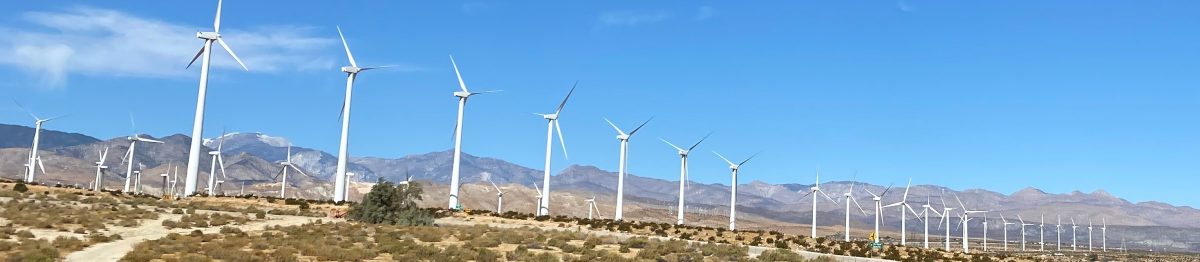
Following the opening session, I chose to attend the session on permitting the future of renewable energy. Here, the three panelists discussed the balance between California’s ambitious clean energy goals and the regulatory nature surrounding those goals. Some of the major projects that need to be permitted to enable California to reach its goal of 0 carbon output are a major increase in renewable energy as well as transmission lines. At the same time, the planning and development stages of those projects often have many obstacles. However, the panel was hopeful that California will be able to reach its goals through interagency collaboration moving forward.
For the last session of the day, I attended the session on California Ports and the global supply chain crisis. This session looked at some of the environmental justice issues surrounding communities that are near major ports. These communities are drastically impacted by emissions from trucks and vessels. The panelists discussed the goals of the Port authorities as well as the California Air Resource Board in reducing the emissions that strain communities. However, they also discussed the limitations and obstacles in doing so. For instance, all-electric fleets are technologically possible. However, many truck drivers are small-business owners who do not have the initial capital to purchase an electric truck. Therefore, a promulgated rule from CARB requiring all trucks to be electric would be unfairly burdensome to those small business owners. The panelists discussed this, among a number of other issues, facing CA Ports and the path toward a cleaner future.